Loading...
Serving Monrovia, CA and surrounding areas. (626) 263-8749
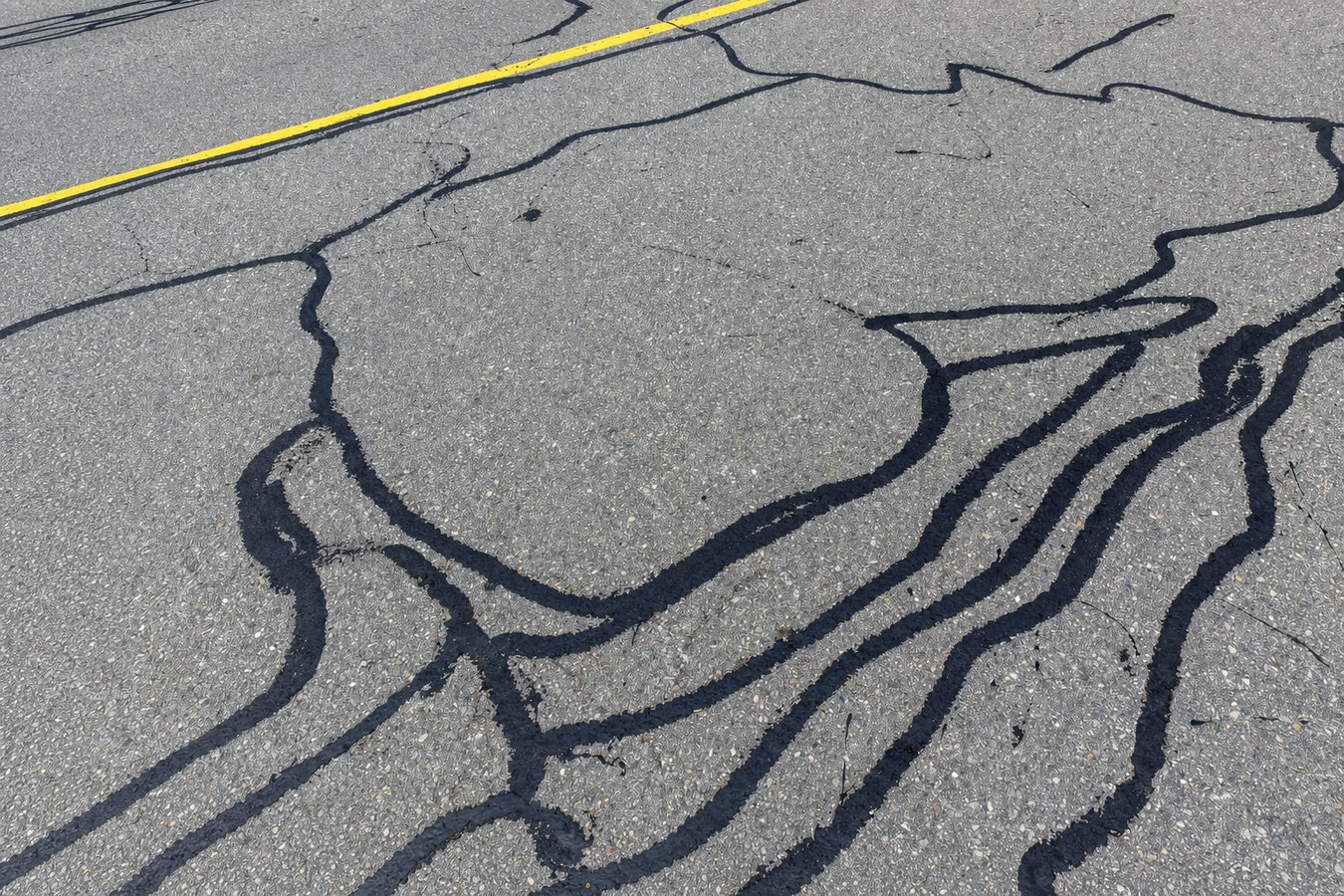
A small crack in your driveway is an open door for water, roots, and San Gabriel Valley soil movement. We seal it fast with flexible rubberized filler before it becomes an expensive repair.
Asphalt crack sealing in Monrovia means cleaning each crack thoroughly and filling it with a hot, flexible rubberized material that bonds to both sides - most residential driveways are finished in a few hours, and you can use the surface the same day.
Crack sealing is not a cosmetic fix. It is a protective treatment that stops water, dirt, and plant roots from getting inside the crack and breaking apart the material underneath. In Monrovia, where intense sun dries out asphalt and clay soils shift with the seasons, an unsealed crack widens every year. What starts as a thin line can become a crumbling section by the next rainy season.
Crack sealing works best as part of a regular maintenance plan. Pairing it with asphalt sealcoating gives your driveway a second layer of protection against the sun and oxidation that slowly destroys untreated surfaces across the San Gabriel Valley. Sealing cracks first, then applying a sealcoat, is the sequence that produces the best result.
If you can spot cracks while walking to your car, they are wide enough to let water in. In Monrovia's sunny climate, cracks visible from a distance have usually been open long enough for the edges to start crumbling, which means the repair window is narrowing.
When asphalt loses its dark color and turns chalky gray, it has oxidized from sun exposure - a common sight on driveways across the San Gabriel Valley. That brittle surface cracks faster, and any existing gaps will grow quicker. Crack sealing now, before deterioration spreads, costs far less than waiting.
Vegetation pushing up through a crack means the gap has been open long enough for soil and seeds to settle inside. It also means the crack is wide enough for meaningful water and root intrusion, both of which accelerate damage to the base material beneath the asphalt.
If you noticed a crack last season and it is now noticeably longer or wider, the pavement is actively moving - likely from the clay soil expansion and contraction common in this area. Active cracks do not stay small on their own. They need to be sealed before they reach a width where simple sealing is no longer effective.
We handle crack sealing for residential driveways, commercial parking lots, and paved paths across Monrovia and the surrounding San Gabriel Valley communities. Every job starts with thorough crack cleaning - a high-pressure blower or wire brush to remove debris, dirt, and any loose asphalt - before commercial-grade hot rubberized filler is applied and smoothed flush with the surrounding surface. This preparation step is what separates work that lasts from work that fails within a season.
For properties where crack sealing is the right first step before a broader treatment, we also offer commercial asphalt paving for lots that have moved past the point where sealing alone is enough, and asphalt sealcoating to protect the surface after cracks are sealed and the base is confirmed to be in good shape. Combining both services on the same visit saves time and extends the life of your pavement.
Best for homeowners with visible linear cracks that need to be closed before water or roots cause further damage.
Suited for parking lots and paved access areas with crack patterns that do not yet indicate base failure.
Designed for properties where crack sealing and sealcoating will be done together to maximize surface protection.
Monrovia sits in the San Gabriel Valley foothills where asphalt faces two conditions working against it year-round. Intense Southern California sunshine oxidizes the binder in asphalt, causing surfaces to dry out and turn brittle - this is the primary reason driveways here crack even without the freeze-thaw cycles that damage pavement in colder climates. At the same time, the clay-heavy soils common throughout the San Gabriel Valley expand when wet and contract when dry. That seasonal movement stresses the pavement from below, making cracks here active rather than static. A rigid filler will crack apart as the ground shifts, which is why the flexible rubberized sealant used by professionals is the right choice for this area rather than a hardware-store product.
Timing matters here too. Sealing cracks before Monrovia's winter rains arrive - typically December through March - means you go into the wet months with a surface that sheds water instead of absorbing it. Homeowners in Azusa and Glendora face the same foothill soil and sun conditions as Monrovia, and we bring the same approach - flexible materials, thorough prep, proper timing - to every job across the valley. The National Asphalt Pavement Association outlines industry standards for crack sealing materials and methods that we follow on every project.
Call or message us and describe what you are seeing - the number of cracks, roughly how long they are, and the overall surface condition. We will schedule a quick on-site visit and reply within one business day. No cost, no obligation.
We walk the driveway, measure the cracks, and confirm whether the cracking is the type that responds well to sealing or whether something else is going on below. You receive a written estimate before any work is scheduled.
The crew cleans each crack with a high-pressure blower or wire brush, then applies hot rubberized filler and smooths it flush with the surrounding surface. Most residential driveways are done within a few hours.
The sealant cools and firms within 30 to 60 minutes in typical Monrovia temperatures. Your contractor gives you a clear window for foot and vehicle traffic. Most homeowners are back on their driveway the same day.
Free estimate, no obligation. We will look at your driveway, tell you exactly what needs to be done, and give you a written quote.
(626) 263-8749We use hot rubberized sealant applied at the correct temperature - not hardware-store filler. The flexible formulation moves with your driveway as the San Gabriel Valley soil shifts seasonally, so the repair holds rather than cracking apart within a season.
Thorough crack cleaning before filling is the step that separates durable work from a rushed job. We blow out or brush every crack before any sealant is applied, because filler that bonds to dirt or moisture will fail quickly - and that cost falls on you.
We have worked across Monrovia, from the hill streets near Monrovia Canyon Park to the flat neighborhoods along Huntington Drive. That local experience means we know how soil type, slope, and drainage affect pavement in this specific part of the San Gabriel Valley.
Every job starts with a written estimate that spells out exactly what cracks will be sealed and what it costs. California requires paving contractors to hold a current state license, which you can verify directly at the California State License Board - we encourage every homeowner to do exactly that.
Flexible materials, proper prep, and local knowledge are what make crack sealing last in Monrovia. When you book a job with us, those three things are standard - not optional upgrades.
When cracking is widespread and the base has failed, full commercial paving replaces what sealing cannot fix.
Learn MoreApplied after crack sealing, sealcoating locks in repairs and shields the entire surface from UV damage and oxidation.
Learn MoreMonrovia's rainy season arrives fast - call today to lock in your appointment and protect your driveway before the first storm of the season.