Loading...
Serving Monrovia, CA and surrounding areas. (626) 263-8749
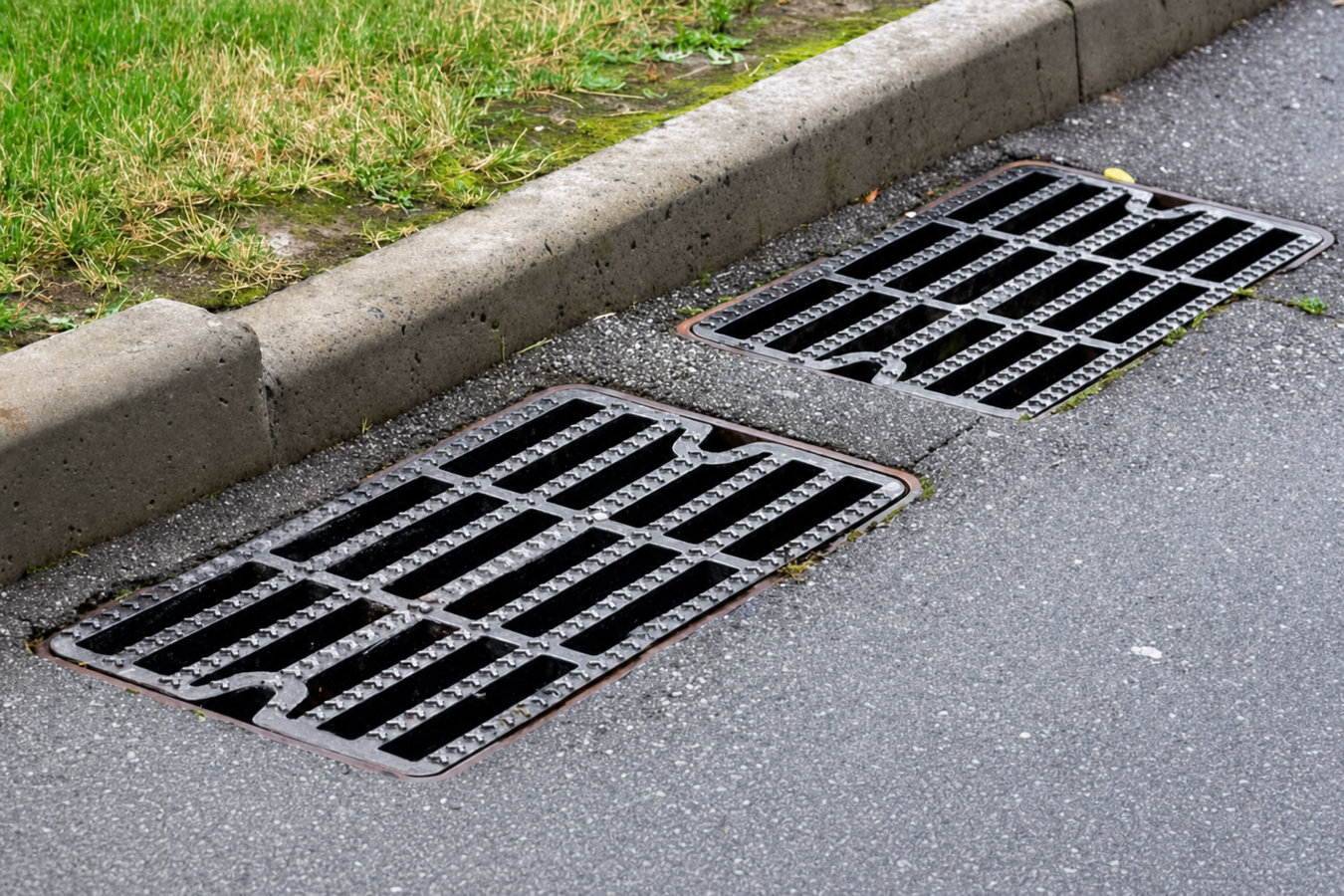
Water pooling on your driveway damages the base and pushes toward your home. We fix the grade, install the right drains, and give your pavement a fighting chance.
Drainage solutions in Monrovia control where water goes after it hits your asphalt - regrading surfaces, installing trench drains or catch basins, and repairing the base beneath the pavement. Most residential jobs take one to three days and stop the cycle of pooling, cracking, and repeat repairs for good.
In the San Gabriel Valley, alluvial soils shift over time and driveways that drained fine years ago can develop low spots or a reversed slope without you noticing. When water sits on asphalt, it softens the base, the pavement sinks further, and the problem grows. Addressing drainage is also what makes any other repair - like asphalt crack sealing - actually last.
Monrovia storms can be intense and brief, arriving from the mountains with a lot of water at once. A surface that can not shed it quickly sends water toward your garage, foundation, and landscaping. The fix starts with understanding where the water is going and why - and that starts with a site visit, not a guess.
Standing water that takes hours to drain - or never fully drains - means the surface is not shedding water properly. In Monrovia, where storms arrive fast from the mountains, that pooling puts real stress on the pavement. Left alone, it pushes water toward your garage or home foundation.
Cracks that keep coming back after patching, or spots where the asphalt feels spongy underfoot, often mean water is sitting under the surface and weakening the base. The alluvial soils common across the San Gabriel Valley shift when wet, making this problem worse with every rain season.
If rain or irrigation water flows toward your home instead of away from it, the slope of your driveway is working against you. This is one of the most urgent drainage signs - water near a foundation or garage threshold can cause damage that costs far more to fix than a drainage correction.
Gravel, soil, or mulch washing away from the sides of your driveway after rain means water is running off the edges with too much force. Over time this erodes the support under the pavement edge and leads to crumbling or cracking along the sides - a problem that gets expensive if ignored.
Every drainage problem is different. Sometimes the fix is a surface regrade - correcting the slope so water sheds naturally toward the street. Other times the job calls for cutting in a trench drain or installing a catch basin in a persistent low spot. For properties with deeper base issues, we excavate, improve the base material, and repave over the disturbed area so the repair holds through multiple rainy seasons. We also pair drainage work with related services like grading and excavation when the base needs more than a surface correction.
When drainage work connects to the city curb or storm drain system, permits are usually required. We handle that process and let you know how it affects the timeline. For private driveways and parking areas that drain entirely on your property, permits are often not needed - but we confirm the requirements for every job before work begins. We also handle the striping and marking that sometimes follows drainage and repaving, including speed bump installation when clients want to manage traffic flow at the same time as fixing water flow.
Best for driveways where the grade has shifted over time and water is pooling due to a reversed or insufficient slope.
Best for driveways with a persistent low point where regrading alone cannot fully direct water away from structures.
Best for parking areas and longer driveways where a centralized collection point is needed to handle large volumes of runoff.
Best when the base under the asphalt is saturated or compromised - repairs that skip the base will not hold and require redoing sooner.
Monrovia sits at the base of the San Gabriel Mountains, and when storms arrive they can drop a lot of water quickly. Pavement that drains slowly is overwhelmed fast. On top of that, the alluvial soils across the San Gabriel Valley shift after wet periods - a driveway that drained fine ten years ago may have developed low spots as the ground moved. The combination of intense rain and shifting soil makes drainage one of the most important paving investments a Monrovia homeowner can make.
Properties on the north side of Monrovia, closer to the foothills, can receive debris-laden runoff from the mountains during heavy storms - not just rain. Standard residential drains can clog quickly in these conditions. We size drains generously and recommend grates that are easy to clear for foothill properties. We serve homeowners and property owners across the area, including Arcadia and Temple City, where similar drainage challenges come up on older properties with settled soil and aging asphalt.
Describe what you are seeing - where water pools, whether it flows toward your home, and if you have noticed any cracking or soft spots. We reply within one business day and schedule a site visit, because drainage problems are hard to diagnose from a description alone.
We check the slope of your driveway, look for low spots, inspect the base condition, and confirm where the water needs to go. You receive a written estimate explaining the proposed work and why - no surprise line items after the job starts.
If the work connects to the city curb, gutter, or storm drain, we handle the permit application and let you know how it affects the start date. This step can add a week or two, so asking about it early is worth the time.
We saw-cut pavement, excavate for drains or basin hardware, compact the base material properly, and pave over the disturbed area. New asphalt needs at least 24 hours before vehicles return - we give you a specific clear-off time before we leave.
Free on-site estimate. Written scope before any work begins. We reply within one business day.
(626) 263-8749Most drainage failures happen because a contractor paved over a saturated or settled base without addressing it. We inspect and correct the base condition before laying new asphalt, so the repair holds through multiple wet-dry cycles rather than just until the next rain season.
Contractors who regularly work across Monrovia and the surrounding foothills understand how alluvial soils shift after wet seasons and how mountain runoff affects residential drainage. That local knowledge shapes how we design and size a drainage system for your specific property - not a one-size approach.
Work that connects to the city curb or storm drain almost always needs city approval. We handle the permit application, communicate with the city, and keep you updated on the timeline - so you do not have to navigate that process on your own or risk having work done without the right approvals.
We follow National Asphalt Pavement Association guidelines for base preparation, compaction, and mix quality. That means the repaved sections over your drainage work are held to the same standard as a full paving project - not a quick patch that looks fine on day one and fails by winter.
Solving a drainage problem protects more than your pavement - it protects your garage, foundation, and landscaping from the downstream damage pooling water causes. When you address drainage correctly the first time, you stop spending money on the same patch year after year.
Add permanent asphalt speed bumps to your driveway or parking area to control traffic flow alongside your drainage improvements.
Learn MoreProper grading and site preparation is often the first step in any drainage correction, especially on sloped or settled lots.
Learn MoreOur crew is scheduling now - get your driveway graded, drained, and ready before the first fall storm arrives.