Loading...
Serving Monrovia, CA and surrounding areas. (626) 263-8749
Cracks, potholes, and soft spots in Monrovia driveways get worse fast - especially after winter rains soak into the base. We fix the damage now, before it turns into a full replacement job.
Asphalt repair in Monrovia means removing or filling damaged sections of a driveway or paved surface and replacing them with fresh material that bonds to the surrounding pavement - most residential repairs are completed in a single day and the surface is ready to use within 24 to 48 hours.
In the San Gabriel Valley, asphalt damage has two main causes: intense UV exposure that dries and hardens the surface over time, and clay-heavy soils that shift with the seasons and push against the base from below. Neither of those forces stops once cracks appear - they keep working. Acting while the damage is contained is almost always the cheaper option.
The right repair method depends on what we find when we walk the driveway. Narrow cracks get cleaned and filled with flexible sealant. Larger potholes or crumbled areas require cutting out the damaged section and patching with fresh asphalt. If the damage is widespread or the base has failed in multiple spots, we will tell you honestly whether asphalt crack sealing or a fuller resurfacing makes more long-term sense than repeated patching.
A network of small cracks spreading across your driveway - sometimes called alligator cracking - means the surface has dried out and lost flexibility. In Monrovia's intense sun, this can develop within a few years on an unprotected surface. Catching it before water gets underneath is the difference between a repair and a full replacement.
A pothole or a section that feels soft or spongy under your tires means the base underneath has been compromised. In the San Gabriel Valley, this often happens after a wet winter when water has worked into a crack and softened the soil below. That type of damage grows quickly if left alone.
Healthy asphalt is dark and slightly flexible. When it turns gray and chalky, it has been oxidized by the sun - a common sight in Monrovia's climate. Oxidized asphalt is brittle and far more likely to crack under normal use. This is a signal the surface needs attention before the damage goes deeper.
The edges of a driveway are the first place asphalt breaks down, especially without solid support on the sides. If you notice crumbling edges, chunks breaking off, or the surface pulling away from a garage apron or curb, that deterioration will work inward if not addressed.
We handle the full range of asphalt repair work for residential and small commercial properties in Monrovia. That includes crack filling for surface-level cracks, cut-and-patch repairs for potholes and failed sections, and edge repair for borders that have crumbled away from a garage slab or curb. Every repair starts with a proper assessment of the base - skipping that step is why patches often crack or sink again within a year. For surface-level cracks that have not yet opened up into potholes, we can also discuss asphalt crack sealing as a preventive measure.
Some homeowners come to us expecting a repair and find out during the site visit that the damage is too widespread to patch cost-effectively. In those cases, we talk through whether pothole repair on the worst spots makes sense as a temporary fix, or whether a full resurfacing or replacement is the better path. We will give you a straight answer either way - not a repair recommendation that just delays the bigger conversation.
Best for surface-level cracks that have not yet opened into potholes - flexible sealant keeps water out before the base is compromised.
Right for potholes, sunken sections, or failed areas where the damaged material needs to be fully removed and replaced.
Suited for driveways where the borders are crumbling away from a garage apron, curb, or landscaping border.
Recommended after a repair is fully cured to blend the new patch visually and protect the whole surface from Monrovia's sun.
Monrovia driveways face a specific combination of conditions that shapes how damage develops and how repairs need to be done. The long, dry summers bake the surface, driving out the oils that keep asphalt flexible and turning it brittle. Then the winter rains arrive - often as concentrated bursts after months of drought - and water forces its way into any crack that has opened during the dry season. That water softens the base, and if the clay soil underneath swells when wet, the pavement above it moves. A contractor who does not understand that cycle will patch the surface without stabilizing the base, and the same cracks will be back in a season.
We work across Monrovia and the surrounding communities, including Duarte and Glendora, where foothill soils and drainage patterns create similar conditions. Knowing what causes damage in this specific area - not just how to fill a crack - is what makes the difference between a repair that holds and one that sends you back to the phone within a year.
Call or send us a message describing what you are seeing - cracks, a pothole, soft spots, or general deterioration. We will schedule a free on-site visit within one business day to see the damage in person.
We walk the driveway, check the base condition and drainage, and determine the right repair method. You get a written estimate that spells out exactly what will be done - no surprises at the end.
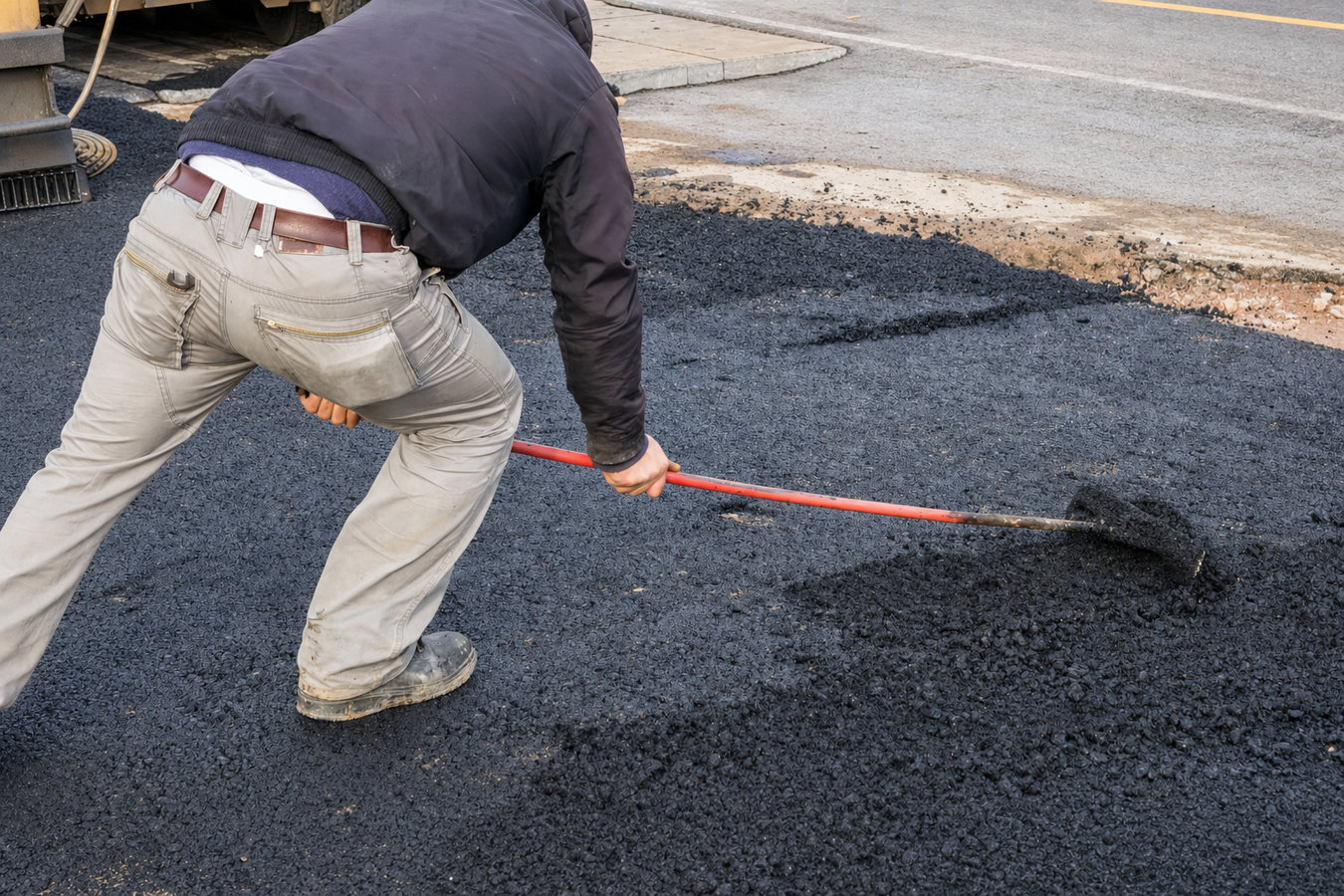
The crew cleans the damaged area, cuts clean edges around any section being removed, and compacts the base if needed. Fresh asphalt is placed, leveled, and compacted thoroughly. Most residential repairs are finished in a few hours.
Fresh asphalt needs 24 to 48 hours before vehicle traffic. In Monrovia's summer heat, your contractor may recommend waiting longer. We give you a specific timeframe and flag whether sealcoating after curing would benefit the whole driveway.
We come to you, walk the damage, and give you a written quote - no obligation and no pressure to decide on the spot.
(626) 263-8749A crack fill that ignores what is happening underneath the pavement will fail again after the first dry season. We check base stability before every repair, which is what separates a patch that holds from one you are staring at again in six months.
California requires contractors to hold a current state license. You can verify any contractor through the California Contractors State License Board. We carry liability insurance and workers compensation - proof is available before any work starts.
We will tell you when a repair makes financial sense and when it does not. If your driveway is past the point where patching is cost-effective, you will hear that clearly - not after we have already charged you for a repair that will not last.
Asphalt repair bonds best in warm, dry conditions - Monrovia's long dry season from late spring through early fall gives the best results. We schedule repairs during the right window so moisture in the base does not undermine the work before it cures.
The combination of proper base assessment, correct material compaction, and honest advice about when repair versus replacement makes sense is what keeps our customers from calling us back to redo a job that was not done right the first time. In Monrovia's climate, that matters more than anywhere with milder conditions.
Preventive crack sealing applied to surface-level cracks before water reaches the base - the most cost-effective way to extend driveway life.
Learn MoreTargeted pothole patching for failed sections where a cut-and-patch repair restores a safe, smooth surface quickly.
Learn MoreCracks grow fastest when winter rains arrive - scheduling now during the dry season means your repair cures fully before the weather changes.