Loading...
Serving Monrovia, CA and surrounding areas. (626) 263-8749
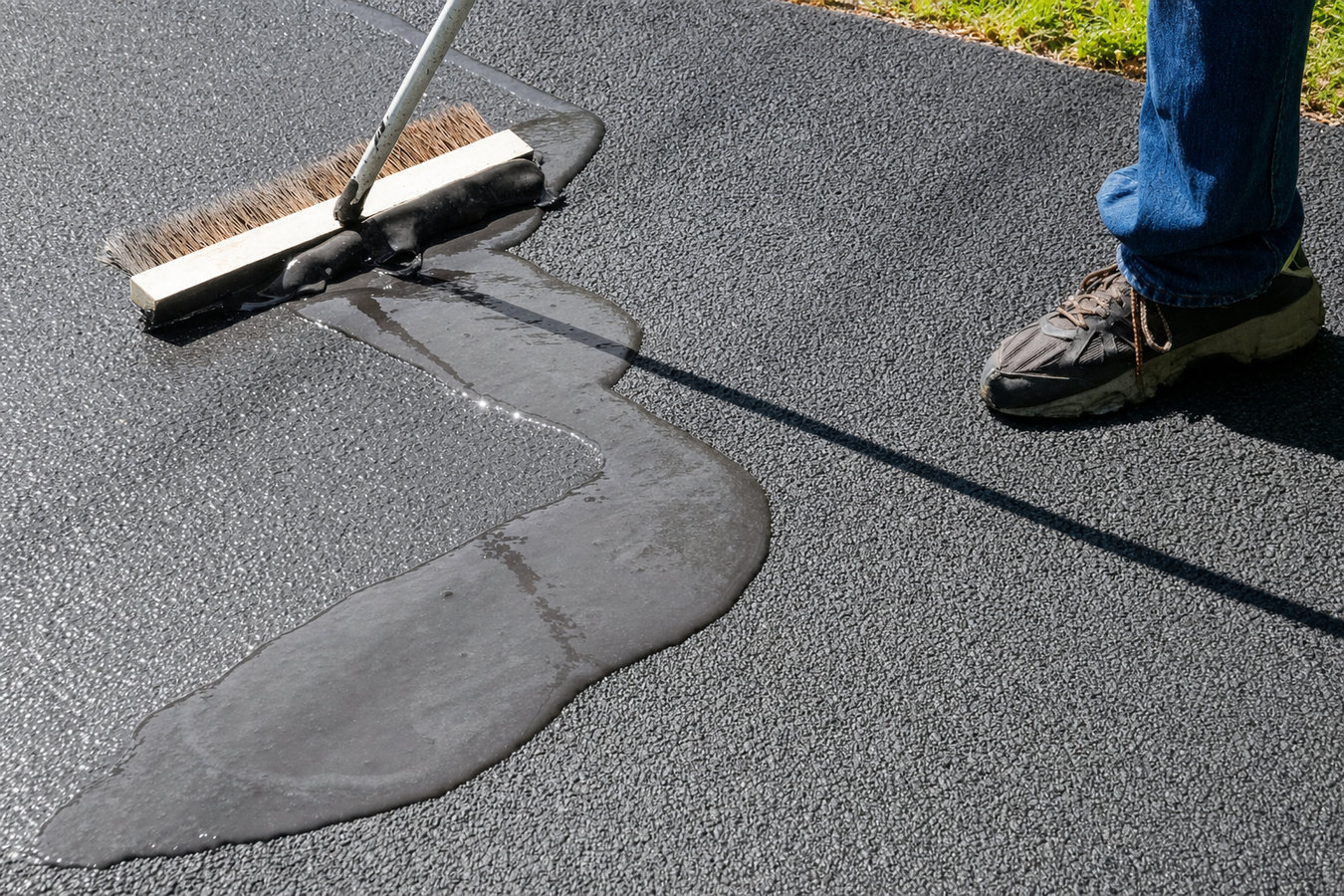
A cracked, gray driveway does not always need to be torn out. When the base is still solid, resurfacing gives you a fresh, dark surface at a fraction of full replacement cost.
Asphalt resurfacing in Monrovia means laying a fresh layer of new asphalt over your existing driveway, bonded to the old surface so the base stays in place - most residential driveways are completed in a single day and ready for vehicles within 24 hours.
Resurfacing works when the damage is on the surface and the base underneath is still solid. If your driveway is cracked, faded, or rough but feels firm underfoot without soft spots, that is a strong sign the base has held and a new top layer can extend the life significantly. The approach costs a fraction of full removal and gives you a result that looks and performs like a brand-new driveway.
When the base has failed - soft spots, sunken sections, widespread shifting - resurfacing is not the right call and a contractor who recommends it anyway is setting you up for a job that fails early. We assess the base honestly at every site visit, and where resurfacing is the smart option we also discuss follow-up asphalt milling for surfaces where significant height correction is needed before a new layer goes down.
Fresh asphalt is dark and slightly flexible. When it fades to a chalky gray and feels gritty underfoot, UV oxidation has dried out the binder - a very common sight in Monrovia's sunny climate. At that stage the surface is losing its flexibility, and resurfacing now is far cheaper than waiting until the damage reaches the base.
A pattern of interconnected cracks - sometimes called alligator cracking - means the surface layer has lost its flexibility. In the San Gabriel Valley, this often develops from years of heat cycling combined with sun exposure. If the cracks are still shallow and the base feels firm underfoot, resurfacing can address it before it becomes a full replacement job.
Low spots that collect water are a warning sign. Standing water works into cracks, softens the base, and accelerates deterioration - especially during Monrovia's concentrated winter rain season. Resurfacing with proper grading corrects the slope and stops the cycle before it reaches the base.
Driveway edges are the first place to fail, especially when they lack solid border support or have been driven over repeatedly. Crumbling edges let water in from the sides and spread inward over time. Catching this with resurfacing is much less expensive than letting the deterioration progress toward the middle.
We resurface residential driveways and small commercial surfaces throughout Monrovia and the surrounding San Gabriel Valley. A standard resurfacing job includes thorough surface preparation - cleaning, crack filling, and edge cutting - followed by laying and compacting a fresh asphalt layer to the correct thickness. For surfaces where existing height or drainage slope needs correction first, we can discuss asphalt milling as a prep step before the new layer goes down.
After resurfacing, we recommend waiting at least 90 days before applying a sealcoat to give the new surface time to fully cure. Once cured, sealing every two to three years protects the fresh layer from Monrovia's UV exposure and keeps water from working back into the surface. For driveways where damage has concentrated into isolated spots rather than spreading across the whole surface, targeted pothole repair may be all that is needed before a sealcoat, rather than a full resurfacing.
Best for driveways with a sound base and surface-level cracking or oxidation - lays a new compacted layer without removing the existing structure.
Right for surfaces where height correction or drainage slope needs to be addressed before the new layer is laid.
Suited for driveways where the borders need to be cut clean and tied into existing concrete curbs, garage aprons, or sidewalks.
Recommended 90 or more days after resurfacing to apply the first protective barrier against Monrovia's intense sun.
Monrovia sits at the base of the San Gabriel Mountains and gets well over 280 sunny days a year. That relentless UV exposure is the single biggest enemy of asphalt in this area - it oxidizes the surface, turning it gray and brittle, and accelerates surface cracking far faster than freeze-thaw cycles ever would. Resurfacing with the right mix for this climate and sealing on schedule is the direct response to that local reality. Beyond sun, the foothills around Monrovia sit on soils that include expansive clays, which swell when wet and shrink when dry. That seasonal movement can push up from below and cause cracking that looks like a spider web or alligator pattern - and before resurfacing, a good contractor will assess whether the cracking is surface-level or driven by base movement.
We work on driveways throughout the San Gabriel Valley foothill corridor, including Glendora and Duarte, where the same combination of sun and clay soil creates the same accelerated surface wear. Understanding what drives damage in this specific area - not just how to lay asphalt - is what determines whether a resurfacing job holds for a decade or starts showing problems within a couple of years.
Call or send us a message with the driveway size, the damage you are seeing, and roughly how old the surface is. We schedule a free on-site estimate and respond within one business day.
We walk the driveway, check the base condition and drainage, and determine whether resurfacing is the right option or whether the base needs more work first. You receive a written estimate that spells out exactly what is included.
The crew cleans the surface, fills significant cracks, and cuts clean edges before laying the new asphalt. The material is compacted with a roller in passes to produce an even, dense surface. Most residential driveways are fully paved the same day prep begins.
After paving, we walk you through curing expectations - typically 24 hours for foot traffic and passenger vehicles, several days for heavy loads. We give you a specific timeline based on conditions that day and a recommended timeframe for the first sealcoat.
We will walk your driveway, tell you honestly whether resurfacing is the right call, and give you a written quote at no cost.
(626) 263-8749We check the base condition at every site visit and give you a straight answer on whether resurfacing is appropriate or whether you need something different. You will not receive a resurfacing recommendation from us when the base has failed - that would only delay the real conversation and waste your money.
Monrovia's hot summers and intense sun require a mix formulated for this climate - one that stays stable under heat without rutting, and flexible enough to handle the temperature swings between afternoon and night. Local experience shapes material selection in ways that out-of-area contractors may overlook.
The most common reason resurfacing fails early is skipped preparation - cracks left unfilled, edges cut poorly, or the new layer laid over a contaminated surface. We clean, fill, and cut before any asphalt goes down, because that sequence is what determines whether the job holds for 8 to 15 years or fails in two.
California requires paving contractors to hold a valid state contractor's license, and you can verify ours in 30 seconds through the CSLB's online database. Hiring a licensed contractor gives you accountability and a legal path if anything falls short of what was promised in writing.
A resurfaced driveway that was done right - with a proper base assessment, correct mix, and thorough prep - gives you years of smooth, low-maintenance use. That combination of local knowledge and rigorous process is what we bring to every job in Monrovia and the surrounding foothill communities.
Verify contractor licensing before hiring at the California Contractors State License Board. Industry standards for asphalt overlay work are maintained by the National Asphalt Pavement Association.
For driveways where damage is isolated rather than widespread, targeted pothole repair addresses the worst spots without a full resurfacing.
Learn MoreWhen a surface needs height correction or slope adjustment before a new layer goes down, milling removes the top layer precisely and prepares the base.
Learn MoreCall today for a free on-site estimate - our crew is ready to restore your driveway while the conditions are right.